How to Choose Resin Patio Furniture for Changing Weather
Changing weather puts patio furniture through a mix of stresses. Strong sun can fade color and make some surfaces brittle. Rain can leave water sitting in frames or cushions. Cold nights, frost, and thawing can widen small cracks. The best choice is usually not the chair that looks nicest on a showroom floor, but the one that keeps its shape and finish through the conditions where it will be used.
Resin furniture is a practical place to start, especially when the goal is low maintenance outdoor chairs that can handle regular exposure. Resin does not need painting, staining, or sealing in the way wood often does. It can still vary in quality, design, and comfort, so the selection process still matters. The steps below keep the focus on weather, daily use, and simple care.
Start with the weather your patio actually gets
Before comparing styles, look at the pattern of exposure. A shaded courtyard with brief afternoon sun has different needs from an open deck that takes full sun and wind. A site near a lawn or garden may stay damp longer. A balcony may drain quickly but catch more wind. If the furniture sits uncovered through winter, freeze thaw cycles deserve more attention than they would in a mild climate.
Watch for these conditions:
- Full sun for much of the day, which makes UV stability a priority.
- Heavy rain or sprinkler spray, where moisture exposure and drainage matter.
- Temperature swings, which can test joints, legs, and any moving parts.
- Wind that tips lightweight pieces or drives rain under cushions.
This first step prevents a common mistake: buying for one season and forgetting the rest of the year. A chair that feels fine in spring may become a chore if it collects water in summer or warps during a cold snap. Once the exposure is clear, the rest of the decision becomes much easier.
Choose a material built for outdoor use
For resin furniture, material durability depends on more than the fact that it is plastic. Ask what kind of resin is used, how the piece is made, and whether the finish is meant for outdoor exposure. Some chairs are molded as one piece, which reduces loose joints. Others use resin slats over a frame, which can look refined but gives more places for dirt and water to gather.

Weather resistance is the broader goal here. A good outdoor chair should resist fading, staining, and surface damage from ordinary rain and sun. It should not feel papery or overly flexible when pressed. If a piece seems light in a way that feels flimsy rather than portable, it may move in wind or shift when someone sits down. On the other hand, very heavy furniture can be difficult to rearrange or store, so balance stability with how the space is used.
Resin wicker style furniture can suit covered patios and mixed outdoor settings, but the weave quality matters. Loose strands can snag and hold water. Smooth resin surfaces are usually easier to wipe down. Neither option removes the need for sensible placement, but both can reduce the time spent on upkeep.
Check drainage, shape, and water behavior
Rain does not have to sit on a chair for long to cause trouble. Look at seat panels, backs, tabletops, and the underside of frames. Drainage holes are small details with a practical job. They let water escape instead of pooling, which helps the piece dry faster after a shower. On dining chairs, check that water cannot collect where the seat meets the back. On lounges, look at the angle of the seat and the spaces between slats.
Pay attention to feet and leg ends as well. Caps that sit tightly can keep moisture out of hollow sections. If a chair has visible screw heads or joints, they should sit flush and feel secure. Rough edges are worth noticing too, since they can catch clothing and may become more obvious as the material expands and contracts with temperature changes.
When comparing pieces, imagine a heavy rain ending in the late afternoon. Which parts would stay wet? Where would leaves collect? Could the chair be tilted safely to shed water, or would it trap it? These questions often reveal more than a surface-level look at color and shape.
Match the chair to the way the space is used
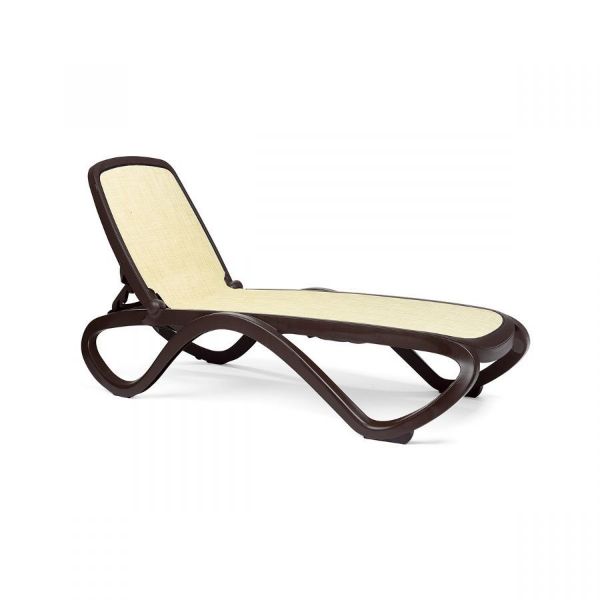
A patio used for long dinners needs different seating from a small balcony meant for a morning coffee. Dining pieces should feel stable at a table and be easy to move without scraping. Chaise lounges need a comfortable reclining shape and enough support for the body. Benches work well where space is narrow, while swings need careful attention to support structure and placement. Commercial patio furnishings may call for stronger construction because use is more frequent.
Comfort still matters, even with low maintenance as the goal. Resin chairs can be shaped to follow the back, or they can be flat and rigid. Test the seat depth, back angle, and arm height if that is possible. If cushions are added, check whether the fabric is intended for outdoor use and whether the covers can be removed for cleaning. Cushions add softness, but they also add drying time and storage needs.
Outdoor-resin-furniture is an online store offering resin outdoor furniture including chaise lounges, chairs, dining pieces, benches, swings, tables, and commercial patio furnishings. That range shows how broad the category can be, from a single seating purchase to a coordinated setup. The right mix depends on the space, not on buying the largest set available.
Think about sun exposure before finalizing color
Color affects both style and perceived upkeep. Dark tones can show heat more noticeably in direct sun, while pale tones may show dirt from soil, pollen, or hands. Neutral colors tend to blend with many settings, but texture can make a difference. A matte surface may hide small marks better than a glossy one, while a textured finish can hold dust in its grooves.
UV stability is worth asking about when chairs will stay in an exposed area. Sun can dull some finishes over time, even when the underlying material remains sound. Rotating cushions, shifting chairs occasionally, and using shade where practical can slow uneven fading. If the furniture is kept near a window or glass barrier, remember that reflected light can add to the exposure.
Do not judge a color only by how it looks in a photo. Check it in daylight if possible, and consider what sits around it. Green lawns, stone paving, timber decking, and painted walls all change how a chair reads in the space. A practical choice is one that still looks intentional when it is slightly dusty, because outdoor furniture rarely stays spotless every day.
Plan for cleaning before the first season
Surface cleaning should be simple enough that it actually happens. Resin pieces usually benefit from routine rinsing and a soft cloth with mild soap when needed. Avoid abrasive pads or harsh cleaners that can scratch or dull the finish. Pay attention to creases, slat gaps, feet, and the underside of arms, where grime can build up unnoticed.
A basic care plan can be kept short:
- Rinse dust and pollen regularly, especially after dry spells.
- Wipe spills promptly so they do not settle into textures or seams.
- Check drains and leg openings after storms or leaf drop.
- Lift or cover furniture during long periods of severe weather when practical.
Protective storage does not always mean a full shed. It can mean moving smaller chairs under cover, stacking them in a dry area, or using fitted covers during the wettest part of the year. Anything left outside should be clean and dry before covering, since trapped moisture can encourage mildew on cushions and marks on frames.
Inspect the structure, not just the finish
A chair can look fresh and still have weak points. Sit slowly and listen for creaks, wobble, or clicking at joints. Check that all legs contact the ground evenly on a flat surface. Look under seats and arms for rough molding, thin sections, or fasteners that seem poorly aligned. If a piece folds or rocks, make sure the mechanism moves smoothly and locks firmly.
For dining sets, check table height, chair clearance, and whether the bases stay steady on paving, decking, or grass. Uneven ground can strain furniture over time, especially if legs dig into soil. For lounges and benches, look at the span between supports. Long unsupported areas may flex more under weight, which can be uncomfortable and may shorten the useful life of the piece.
Never try to repair damaged structural parts with tape, improvised braces, or chemical fixes. If a welded or tension-based component fails, or if a swing support seems insecure, stop using it and have the issue assessed by a qualified professional. Outdoor furniture should feel settled before anyone relies on it for sitting.
Compare maintenance expectations honestly
The phrase low maintenance outdoor chairs often suggests almost no work at all. A more useful expectation is simple, predictable work. Resin seating can avoid painting and sealing, but it still needs rinsing, sensible placement, and occasional checks after rough weather. Chairs with cushions need more attention than bare resin seats. Intricate weave, tight corners, and decorative details can also add cleaning time.
Outdoor-resin-furniture sits in the broader category of resin outdoor furniture, where the appeal is often the mix of practical materials and varied forms. If the aim is fewer chores, favor smooth surfaces, fewer crevices, stable legs, and pieces that are light enough to move before a storm. If the aim is a more furnished look, accept that extra texture and soft accessories will ask for extra care.
The final choice should feel easy to live with. Pick chairs that suit the climate, dry after rain, stay steady in use, and fit the way the patio is enjoyed. When those basics are right, changing weather becomes a normal part of ownership rather than a reason to rethink the whole setup each season.